The Evolution of Endodontic Care
Root canal treatment has come a long way from its rather notorious reputation of decades past. Today’s endodontic procedures bear little resemblance to the uncomfortable experiences that once gave this essential dental treatment its unfavourable reputation. Modern technology, refined techniques, and advanced anaesthetics have transformed root canal therapy into a remarkably straightforward and comfortable procedure that saves millions of teeth each year.
Understanding what actually happens during a root canal can help alleviate much of the anxiety surrounding the treatment. The procedure is designed to remove infected or damaged pulp from within a tooth, preserving the natural tooth structure whilst eliminating pain and preventing further complications. For those seeking root canal treatment Buckinghamshire, the experience is typically far more comfortable than many patients anticipate.
Why Root Canal Treatment Becomes Necessary
The need for root canal therapy arises when the soft tissue inside a tooth, known as the pulp, becomes inflamed or infected. This can occur for several reasons, including deep decay, repeated dental procedures on the same tooth, faulty crowns, or cracks and chips in the tooth structure. Sometimes, trauma to a tooth can damage the pulp even without any visible chips or cracks.
Common symptoms that may indicate the need for root canal treatment include:
- Severe toothache pain upon chewing or application of pressure
- Prolonged sensitivity to hot or cold temperatures
- Discolouration of the tooth
- Swelling and tenderness in nearby gums
- A persistent or recurring pimple on the gums
However, it is worth noting that some patients experience no symptoms at all, which is why regular dental examinations remain crucial for identifying problems before they become severe.
The Initial Consultation and Diagnosis
Before any treatment begins, a thorough examination is essential. The dentist or endodontist will take radiographs to assess the extent of the infection and determine the shape of the root canals. This diagnostic phase is critical for planning the appropriate treatment approach and ensuring the best possible outcome.
During this consultation, patients have the opportunity to discuss any concerns and understand precisely what the procedure will entail. The dental professional will explain the treatment plan, answer questions, and ensure the patient feels comfortable proceeding. This collaborative approach helps demystify the process and establishes realistic expectations for the treatment journey.
What Happens During the Procedure
The actual root canal treatment typically unfolds over one or two appointments, depending on the complexity of the case. Modern anaesthetics ensure that patients remain comfortable throughout the entire process, with many reporting that the sensation is no more uncomfortable than having a standard filling placed.
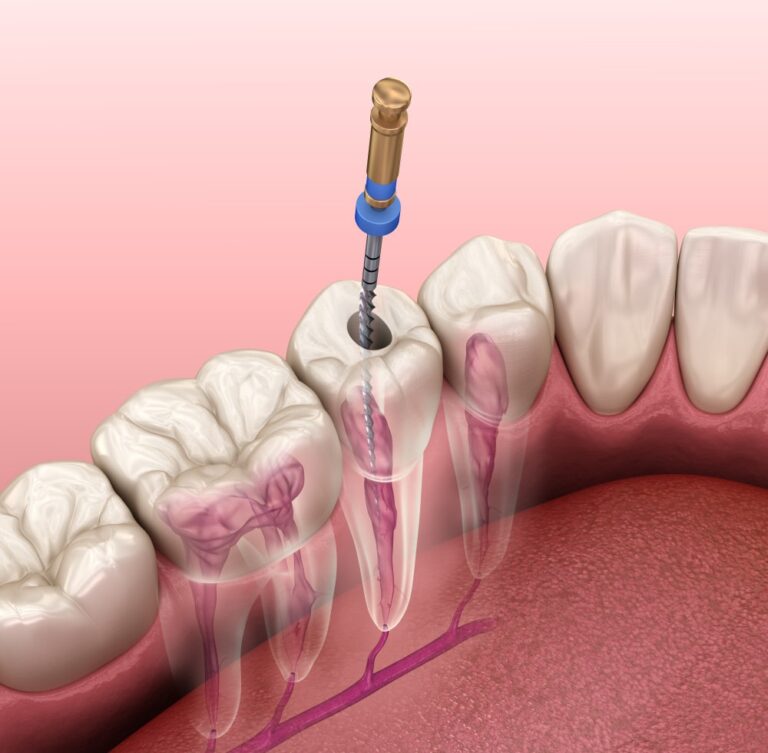
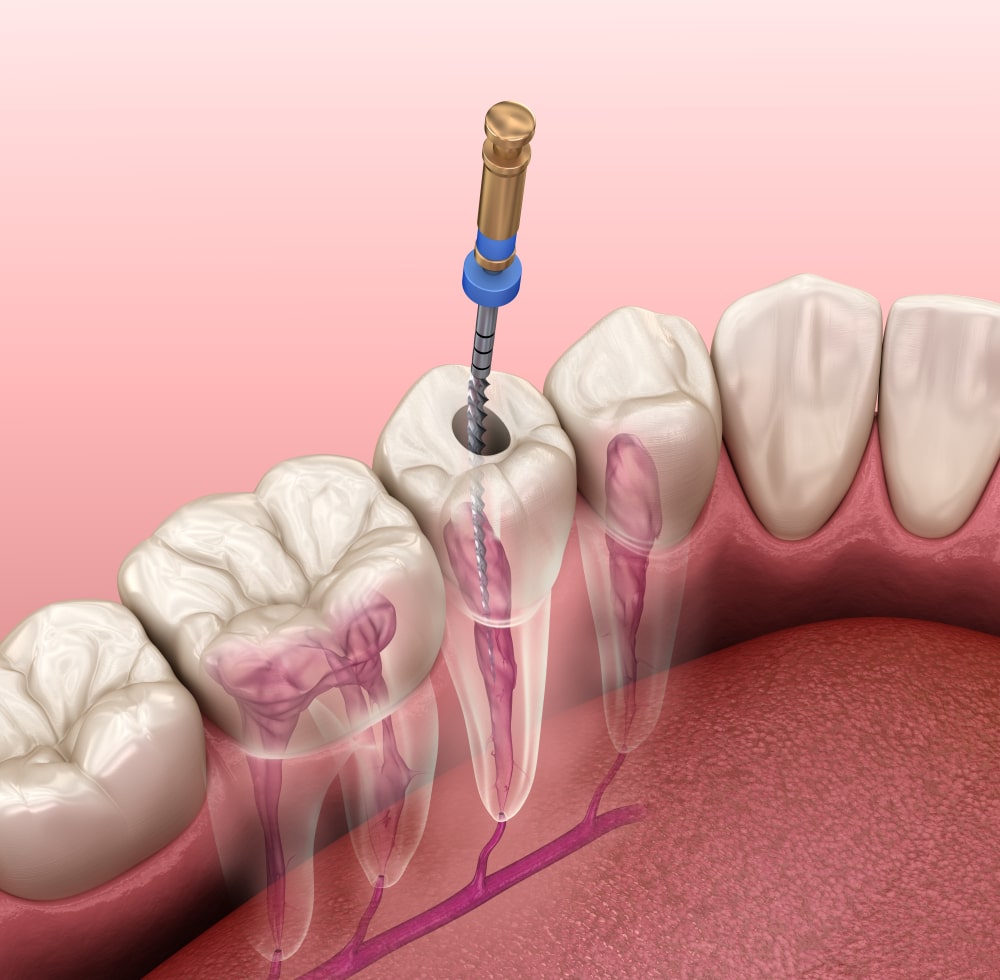
The procedure begins with the administration of local anaesthetic to numb the affected tooth and surrounding area. Once complete numbness is achieved, the endodontist places a protective sheet called a rubber dam around the tooth to keep it dry and free from saliva during treatment. A small access opening is then created in the crown of the tooth to reach the pulp chamber.
Using specialised instruments, the infected or damaged pulp is carefully removed from the pulp chamber and root canals. These canals are then meticulously cleaned, shaped, and disinfected using a combination of tiny files and antimicrobial solutions. For a detailed step-by-step guide to the root canal procedure, patients can find comprehensive information that further explains each stage.
Once the canals are thoroughly cleaned and dried, they are filled with a biocompatible material called gutta-percha, along with an adhesive cement to seal the canals completely. This sealing process is crucial for preventing future infection. Understanding the stages of root canal treatment helps patients appreciate the precision involved in modern endodontic care.
Recovery and Aftercare
Following root canal treatment, some mild discomfort or sensitivity is normal and typically subsides within a few days. Over-the-counter pain medication is usually sufficient to manage any post-treatment discomfort. Patients can generally return to their normal activities the following day, though it is advisable to avoid chewing on the treated tooth until the final restoration is placed.
A follow-up appointment is scheduled to place a permanent crown or filling, which protects the treated tooth and restores its full function. With proper care and regular dental check-ups, a tooth that has undergone modern root canal treatment procedures can last a lifetime, making this procedure an invaluable option for preserving natural teeth.
Looking Forward with Confidence
Modern root canal treatment represents a triumph of dental science, offering patients a reliable solution for saving compromised teeth. The combination of advanced technology, refined techniques, and improved patient comfort measures has transformed this once-dreaded procedure into a routine and highly successful treatment that preserves natural smiles for years to come.